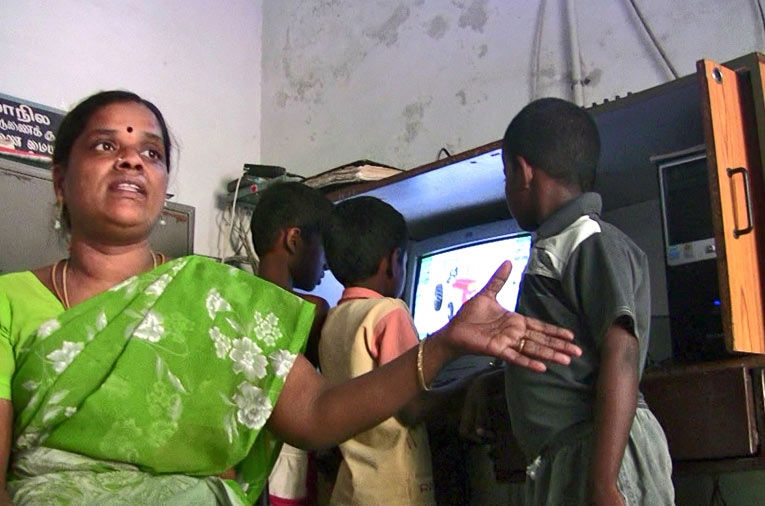
Evaluation of community technology interventions is notoriously difficult, given the wide variation of settings, users, and socio-economic conditions. Computer training is one factor that must be understood in this wide range of local resources and constraints. TASCHA work around evidence and storytelling attempts to address this challenge by gathering “typical” stories from a variety of settings in order to create a framework for induction and generalization.
TASCHA Evidence Narratives are a methodological approach to social science that uses the power of stories to reveal dynamics of community technology settings in a way that is illuminating, accessible, and can be retold. The stories are informed by methodological attention to representativeness and typicality. The stories stand alone as evidence of outcomes in a particular context. As a body of work, they reveal patterns and provide evidence to inform new conclusions about community technology interventions.
Employability evidence narratives were designed to capture “typical” stories — evidence —to generate analysis and dialog about particular cases in relation to the larger phenomena. The stories are also valuable because they communicate important lessons and dynamics. They are memorable and can be retold for a variety of audiences, making them useful for practitioners, donors, and researchers alike.